
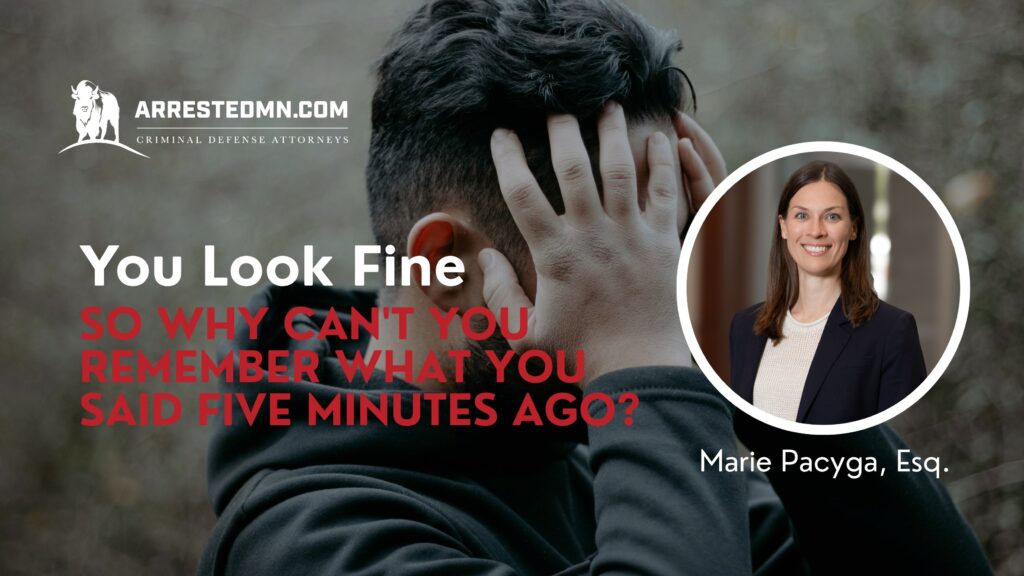
After the crash, you walked away. No broken bones, no blood, nothing an ER doctor could point to on an scan. Everyone told you how lucky you were. But days, weeks, or even months later, you’re forgetting appointments, snapping at your kids over nothing, and staring at a work email you’ve read four times without absorbing a word of it. You look fine. But you do not feel fine. Your friends and family notice. You might feel frustrated, embarrassed, or just out of sorts. And on top of it all, the insurance company is already treating your claim like it’s worth almost nothing.
The Myth: “No Visible Injury Means No Injury”
This is one of the most damaging assumptions in personal injury claims — and insurance companies count on it. A traumatic brain injury, even a “mild” head injury can be disabling. Some of the most life-altering brain injuries are “invisible” but that doesn’t mean they aren’t real injuries.
Why These Injuries Are So Easy to Dismiss
Symptoms like memory lapses, irritability, trouble concentrating, headaches, light sensitivity, and fatigue don’t photograph well. There’s no cast for a damaged frontal lobe. Adjusters know that jurors — and sometimes even claimants themselves — associate “serious injury” with visible injury. That bias becomes a tool that insurance companies, adjusters, and defense lawyers can use to offer far less than the injury is actually worth.
How These Injuries Get Proven
Every case is unique, an in addition to medical treatment and working with experts, its important to get the human stories that describe the before and after an injury. One area that get overlooked is noticing not only the big changes but even the small ones – how you functioned before the crash compared to after.
That means documenting the small stuff early — the missed word in a sentence, the forgotten grocery list, the friend who says “you’re just not yourself.” It often means neuropsychological testing, statements from family and coworkers who see the day-to-day change, and treatment records from providers who specialize in brain injury, not just the ER visit on day one. Its important to notice details, interview witnesses, and document this important evidence.
What You Should Do Now
If you were hurt by someone else’s negligence, don’t assume you’re fine just because nothing hurts yet. Get evaluated. Keep a simple daily log of symptoms. Tell your doctor about anything that feels different, even if it seems minor or embarrassing.
If you or your loved one is dealing with symptoms after a crash we’re here to talk to you about it and see if we might be a good fit to help. Call us: 612-339-5844.